
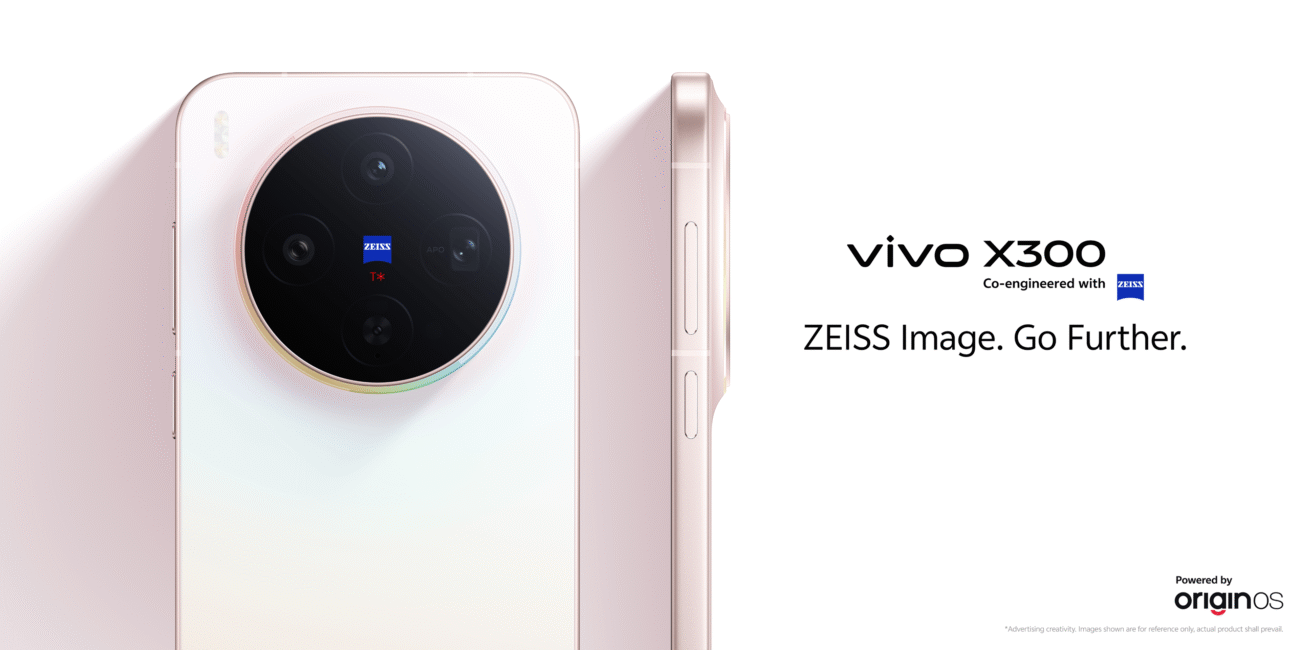
At Mobile World Congress (MWC) 2026, Vivo made a definitive statement: they are no longer content with being a regional powerhouse. The unveiling of the X300 Ultra signals a pivot from consumer electronics to professional-grade imaging tools, directly challenging the dominance of traditional mirrorless cameras and established flagship giants like Apple and Samsung.
Here is an analysis of why this device is disrupting the narrative in Barcelona and what it means for the global premium market.
1. The Hardware: A Telephoto Powerhouse
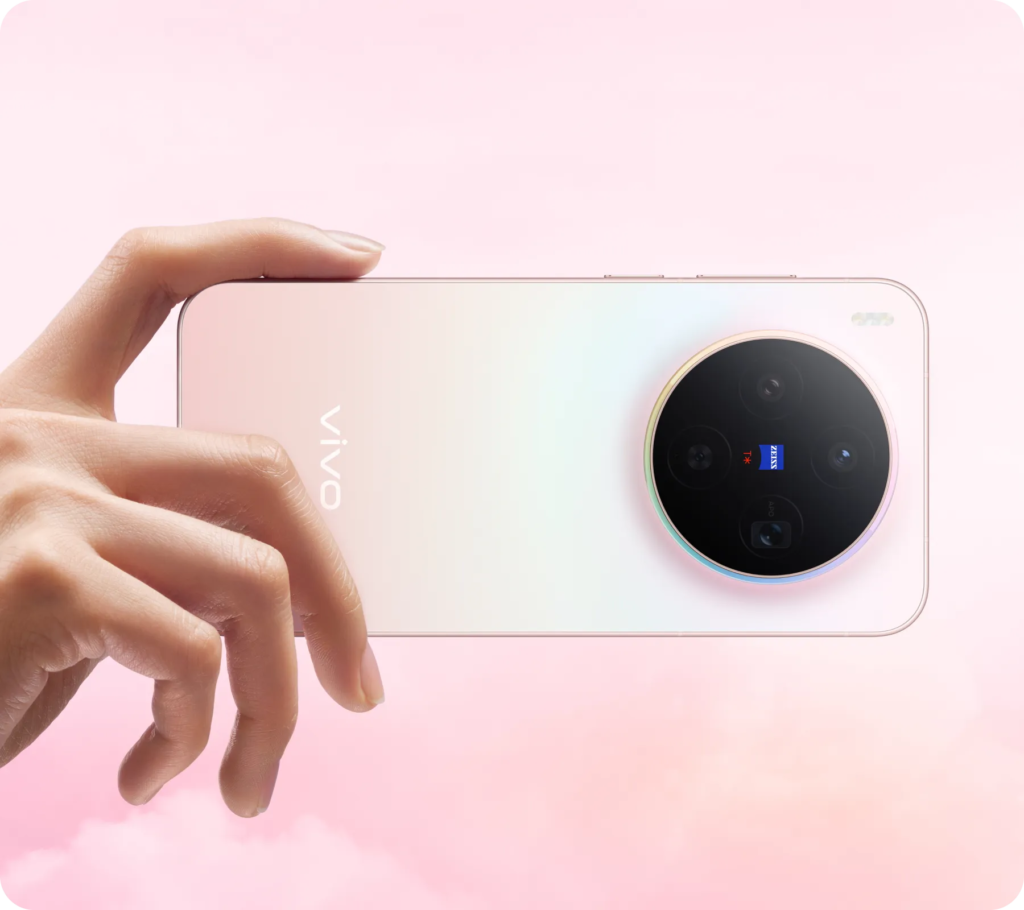
The standout feature is the 200MP telephoto sensor. While megapixel counts are often used for marketing, the technical significance here lies in the scale of the 1/1.4-inch sensor dedicated specifically to the zoom lens.
- The Zeiss Partnership: Vivo is doubling down on its collaboration with Zeiss, introducing the Telephoto Extender Gen 2 Ultra. This accessory provides a 400mm equivalent focal length, roughly an 8x optical zoom compared to the standard field of view.
- Hybrid Zoom Capabilities: By combining the high-resolution sensor with the extender, Vivo claims high-detail retention up to 30x zoom (800mm).
- Gimbal-Grade Stability: To manage the extreme shake associated with such long focal lengths, the device utilizes three degrees of optical image stabilization (OIS) alongside motion-tracking focus technology.
2. The Ecosystem: SmallRig and Professional Workflows
Vivo is moving away from the “all-in-one” smartphone philosophy, instead embracing a modular rig approach. By partnering with SmallRig, they are addressing the ergonomic and thermal limitations that usually hinder professional smartphone use.
- The Camera Cage: This expandable frame features multiple cold shoe mounts for microphones and lights, plus quick-release ports for handles.
- Active Cooling: To prevent thermal throttling during high-bitrate 4K 120fps recording, the cage includes a multi-level piezo cooling fan.
- Tactile Control: The setup includes physical buttons for shutter and zoom adjustment, providing the tactile feedback required by professional operators.
- Backward Compatibility: The mount system is consistent with the X200 Pro, allowing professionals to utilize first-generation telephoto extenders on the new flagship.
3. The Software
The X300 Ultra targets the post-production pipeline by supporting industry-standard color sciences that were previously the exclusive domain of cinema cameras.
- ACES Support: Native support for the Academy Color Science (ACES) allows footage to be integrated into professional workflows like DaVinci Resolve or Final Cut Pro without complex color conversions.
- Real-time LUTs: Creators can preview their shots with a specific LUT (Look-Up Table) active on the screen, while the device simultaneously records a clean, unedited Log file to preserve maximum dynamic range for grading.
- Color Grading: In a move toward a mobile-first production suite, basic color grading capabilities will be available natively inside the device.
4. Strategic Context
For several years, Vivo’s most advanced imaging technology was restricted to mainland China or select Asian markets. The X300 Ultra launch at MWC Barcelona represents a shift in corporate confidence.
- European Expansion: Vivo confirmed the X300 Ultra will reach all European regions where they currently operate.
- The Price Barrier: With the “Pro” model already priced at €1,400, the “Ultra” is positioned in a bracket where it must compete with mid-range mirrorless cameras.
- International Confidence: As Daniel Goetz noted, this release signals a “proactive and confident approach” to the global premium segment, moving the brand away from budget associations and toward “pro-grade” prestige.
The Vivo X300 Ultra is a specialized imaging system that happens to be a phone. By focusing on optical reach, active cooling, and professional color workflows, Vivo is attempting to capture the niche of “mobile-first” creators. While the high price point remains a hurdle, the integration of physical camera controls and cinematic software standards positions Vivo as a serious contender in the high-end global market.
