
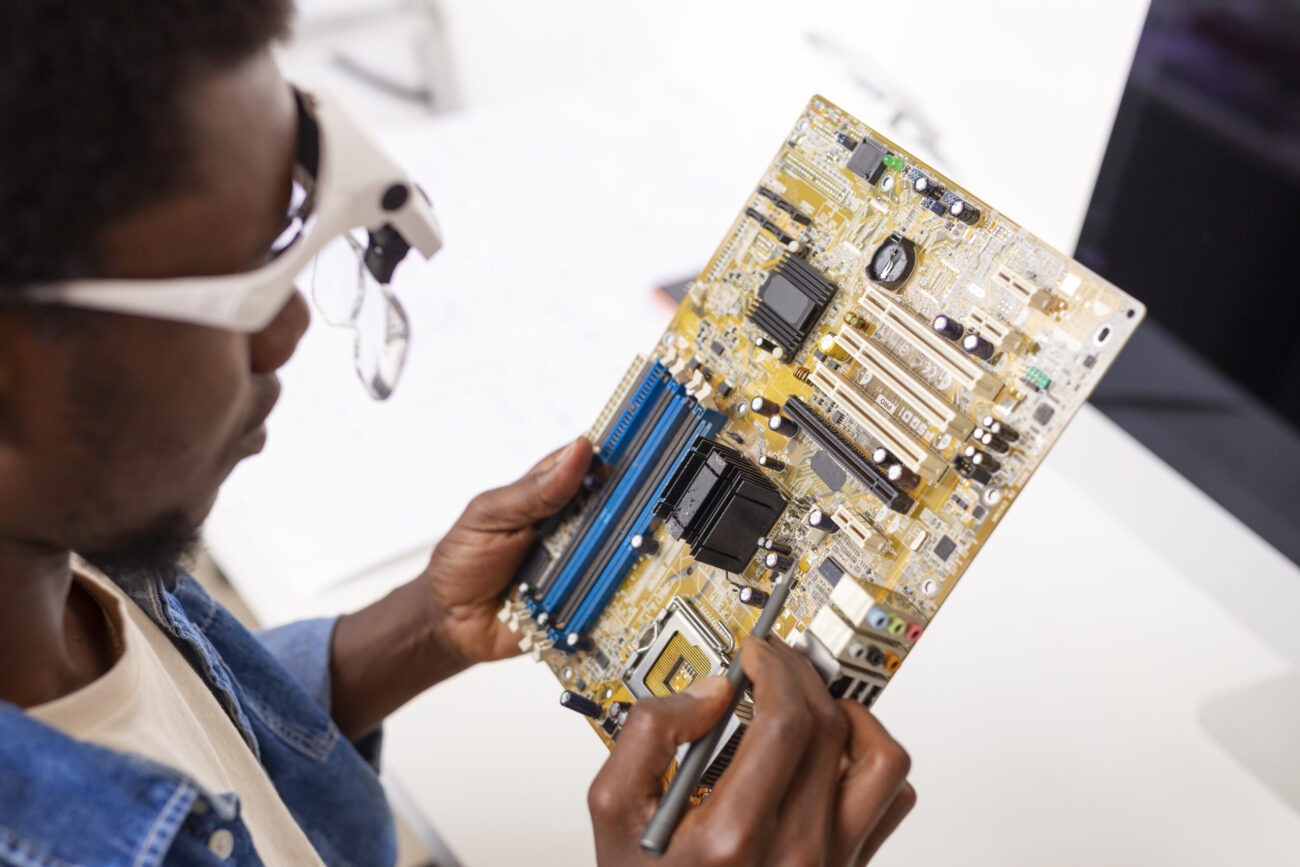
For decades, the Linux kernel has been the ultimate “hoarder” of the tech world. It was a sprawling, digital museum that officially supported everything from the latest Arm-based Apple Silicon chips to dusty, 1990s-era PC hardware. It was a point of pride for the community, a promise that as long as you had a motivated group of developers, your ancient machine would never truly die.
But in 2026, the museum is closing its oldest wing. In a move that has sparked a fierce debate between preservationists and progressives, Linux kernel maintainers are finally following through on a plan to strip away support for the legendary Intel 80486 processor.
The Death of a Legend: Goodbye 486
Originally introduced in 1989 and discontinued in 2007, the 486 chip was the powerhouse that defined an entire era of computing. It was the bridge between the early days of personal computing and the high-speed internet age. However, recent code commits indicate that Linux kernel version 7.1 will be the first version that makes it physically impossible to build a kernel for 486-based systems.
While it might seem like a small change after all, how many people are actually running a modern kernel on a PC from 1993? the move represents a fundamental shift in how the Linux community views its own legacy. This isn’t just about Intel; the removal will also kill support for 486-compatible clones like the AMD Am5x86 and the Cyrix 5×86.
The “Tax” of Ancient Code
The controversy lies in the “why.” To the average user, keeping old code seems harmless. But to the developers who actually maintain the kernel, supporting ancient 32-bit CPUs is a massive drain on resources. Kernel contributor Ingo Molnar has been vocal about the “compatibility glue” required to keep these chips alive, noting that it creates complicated hardware emulation facilities that very few people actually use.
Even the creator of Linux, Linus Torvalds, hasn’t minced words. Back in 2022, he suggested there was “zero real reason” for anyone to waste even a single second of development effort on 486-related bugs. The argument is simple: every minute spent fixing a problem for a 30-year-old processor is a minute taken away from optimizing Linux for modern hardware, like the high-end Sony 720Hz monitors or the latest AI-driven features in DaVinci Resolve 21.
Progress vs. Preservation
For some, this is an act of digital betrayal. Linux was supposed to be the “forever” operating system. Critics argue that by removing 486 support, Linux is becoming more like Microsoft or Apple forcing a “planned obsolescence” on hardware that technically still functions.
However, the maintainers argue that “nothing can last forever”. This isn’t the first time they’ve cleaned house; support for the 80386 family was famously axed in 2013 with kernel version 3.8. As the tech landscape shifts toward 64-bit architecture and AI-integrated workflows, the burden of “ancient” 32-bit support is becoming a liability. the Linux kernel is having to make difficult, unpopular choices to ensure its future survival.
What This Means for the Future
If you are one of the few hobbyists still running a 486 rig, you aren’t completely out of luck. You can still run older kernel versions indefinitely. But the dream of running the “latest and greatest” software on a machine from the Bush senior administration is officially dead.
Following the removal in version 7.1, Phoronix reports that additional changes will follow to scrub 486-related code from the kernel entirely. The message is clear: the Linux kernel is slimming down, sharpening up, and leaving the 20th century in the rearview mirror. It is a controversial culling, but in a world where speed and efficiency are everything, even a legend like the 486 has to eventually retire.
