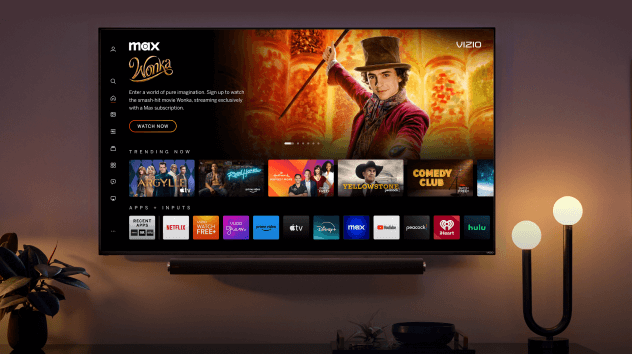
The multi-year legal battle over what actually belongs to you when you buy a piece of hardware is finally coming to a head, arriving right as Lenovo’s folding Legion Go disrupts the tech ecosystem by reminding everyone how satisfying it is when a device genuinely respects user choice and nostalgic flexibility. For nearly a decade, consumers buying smart TVs have been forced into an unfair compromise: you pay hundreds of dollars for a physical screen, only to be trapped inside a closed software environment that actively tracks your habits, bombards you with unskippable advertisements, and acts as a corporate Trojan horse in your living room. But a massive lawsuit heading to a California jury trial this August is aiming to smash those corporate walls wide open, putting the actual code of your TV directly into your hands.
The Fight for the Source Code: Defending Open Source
At the very heart of this brewing legal storm is the Software Freedom Conservancy (SFC), a dedicated US nonprofit organization that provides essential legal backing for open-source software projects. The SFC has spent eight grueling years attempting to force television giant Vizio and by extension, its massive parent company, Walmart, to hand over the complete, executable source code for its Linux-based smart TV operating system, formerly known as SmartCast.
The SFC’s legal standing is brilliantly simple: the organization went out and purchased seven distinct Vizio TV models between 2018 and 2021 after receiving a wave of consumer complaints regarding the company’s secretive software practices. Because Vizio’s proprietary operating system is fundamentally built on top of Ubuntu, a well-known, open-source Linux distribution, the SFC argues that Vizio is legally obligated to share its modified code under the explicit terms of the GNU General Public License (GPLv2). The GPL is supposed to be an ironclad guarantee that if a company benefits from the collective, free labor of the Linux community, they must also share their modifications with the public. Vizio, however, has spent years attempting to dodge this rule, keeping its software locked tightly under a proprietary shroud.
Why Big Tech Wants to Lock Your Screen
It is no secret why Vizio and Walmart are fighting tooth and nail to keep this source code hidden away from the public eye. Modern smart TVs are no longer just display monitors; they are highly profitable data-mining hubs. Television manufacturers rake in massive, recurring revenue streams by utilizing Automatic Content Recognition (ACR) to log exactly what you watch, selling that highly specific tracking data to advertisers, and plastering corporate promos directly onto your home screen.
If the SFC manages to win this historic trial in August, it will create a massive shockwave that will completely reshape the entire television industry. Because the vast majority of popular smart TV platforms on the market today are quietly powered by some variation of the Linux kernel, a victory for the SFC would mean that any TV owner could legally demand the executable source code for their device.
With that code fully accessible, independent developers and tech-savvy owners could completely bypass corporate restrictions:
- Erase Advertisements: Users could write custom scripts to completely strip out built-in banner ads and commercial interruptions from the main user interface.
- Kill the Spies: You would have the power to permanently deactivate intrusive automatic content recognition and data-harvesting trackers.
- True Optimization: The community could build lightweight, ultra-fast custom operating systems to extend the lifespan of older TVs, keeping them running smoothly long after the manufacturer abandons them.
The Final Verdict for Digital Ownership
The upcoming trial represents a monumental line in the sand for the future of digital ownership. For too long, tech conglomerates have treated consumers as temporary renters of the products they fully paid for, hiding behind complicated software licenses to justify total corporate control. This courtroom showdown isn’t merely a niche argument over licensing agreements; it is an aggressive, overdue challenge against the corporate data trap. If the jury rules in favor of the Software Freedom Conservancy, the era of the locked-down corporate billboard in your living room might finally be over, paving the way for a future where you actually own what you buy.
