
Guide to the Best Drones of 2026. In the early days of consumer flight, drones were bulky, temperamental gadgets reserved for tech-obsessed hobbyists with deep pockets. Fast forward to 2026, and the landscape has shifted entirely. Aerial photography has moved from a “niche” skill to a standard requirement for creators, travelers, and tech enthusiasts.
Today’s drones are smarter, safer, and more human-friendly. Whether you are looking to capture cinematic mountain peaks or simply want a robotic sidekick to follow you on a hike, the options available right now are staggering. Here is the Gadgetverse breakdown of the best drones dominating the skies in 2026.
The All-Rounder: DJI Mini 4 Pro
The definitive Guide to the Best Drones of 2026. If you want the best possible tech packed into a device that doesn’t require a pilot’s license, the DJI Mini 4 Pro is the undisputed king. Weighing in at under 249 grams, it dances right under the FAA registration threshold in many regions, yet it refuses to compromise on specs.
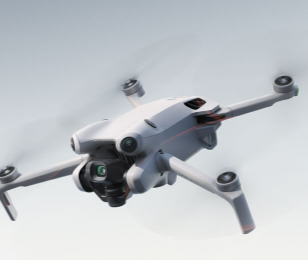
Equipped with a 48MP camera and a 1/1.3-inch sensor, it delivers crisp 4K video at 100 fps. The real standout here is the ActiveTrack 360 feature. It doesn’t just follow you; it moves with an intelligence that mimics a professional camera operator, weaving around obstacles with 360-degree sensors. For $759, you are getting a pro-level tool that fits in your jacket pocket.
The Political Rebel: Autel Robotics Evo Lite+
With ongoing discussions regarding potential DJI restrictions in certain markets, many users are looking for a reliable alternative. Enter the Autel Robotics Evo Lite+. While DJI dominates the market share, Autel has carved out a massive following by offering high-resolution 6K video and a large 1-inch sensor that outperforms almost anything in its price bracket during low-light “blue hour” shoots
 .
.
It lacks a secondary telephoto lens, but its 40-minute flight time and 7.5-mile range make it a rugged, dependable workhorse for those who want a top-tier camera without being tethered to the DJI ecosystem.
The Social Media Disruptor: DJI Neo 2
If the Mini 4 Pro is a camera operator, the DJI Neo 2 is your personal paparazzi. Priced at a budget-friendly $250, this is the best “selfie drone” ever built. It’s tiny (160 grams) and features fully protected propellers, meaning you can launch it directly from your palm without fear.
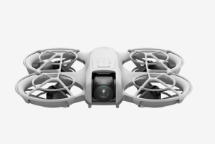
The Neo 2 is built for the “TikTok era.” It features LiDAR-assisted obstacle detection, making it significantly safer for indoor use than its predecessor. The most talked-about feature for 2026? The “Hitchcock Zoom” QuickShot mode, which allows solo creators to pull off professional cinematic effects with a single tap on their smartphone.
The Folding Transformer: DJI Flip
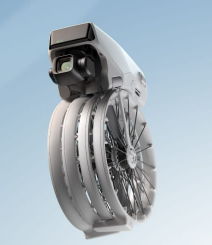
For under $500, the DJI Flip introduces a radical design shift. All four propellers fold down and stack beneath the body, resembling something out of a sci-fi film. This “people-safe” design is specifically aimed at creators who need to fly in tight spaces or indoors. While it struggles in high-wind outdoor conditions, its ability to capture smooth 4K/60p video in dim indoor lighting makes it a specialized tool for real estate videographers and event planners.
The Pursuit Specialist: HoverAir X1 Pro Max
While DJI is the giant, HoverAir is the specialist. The X1 Pro Max is arguably the best subject-tracking drone on the market. Unlike many competitors that struggle to keep up with fast-moving targets, the X1 Pro Max can track a cyclist or skier at speeds up to 26 mph.
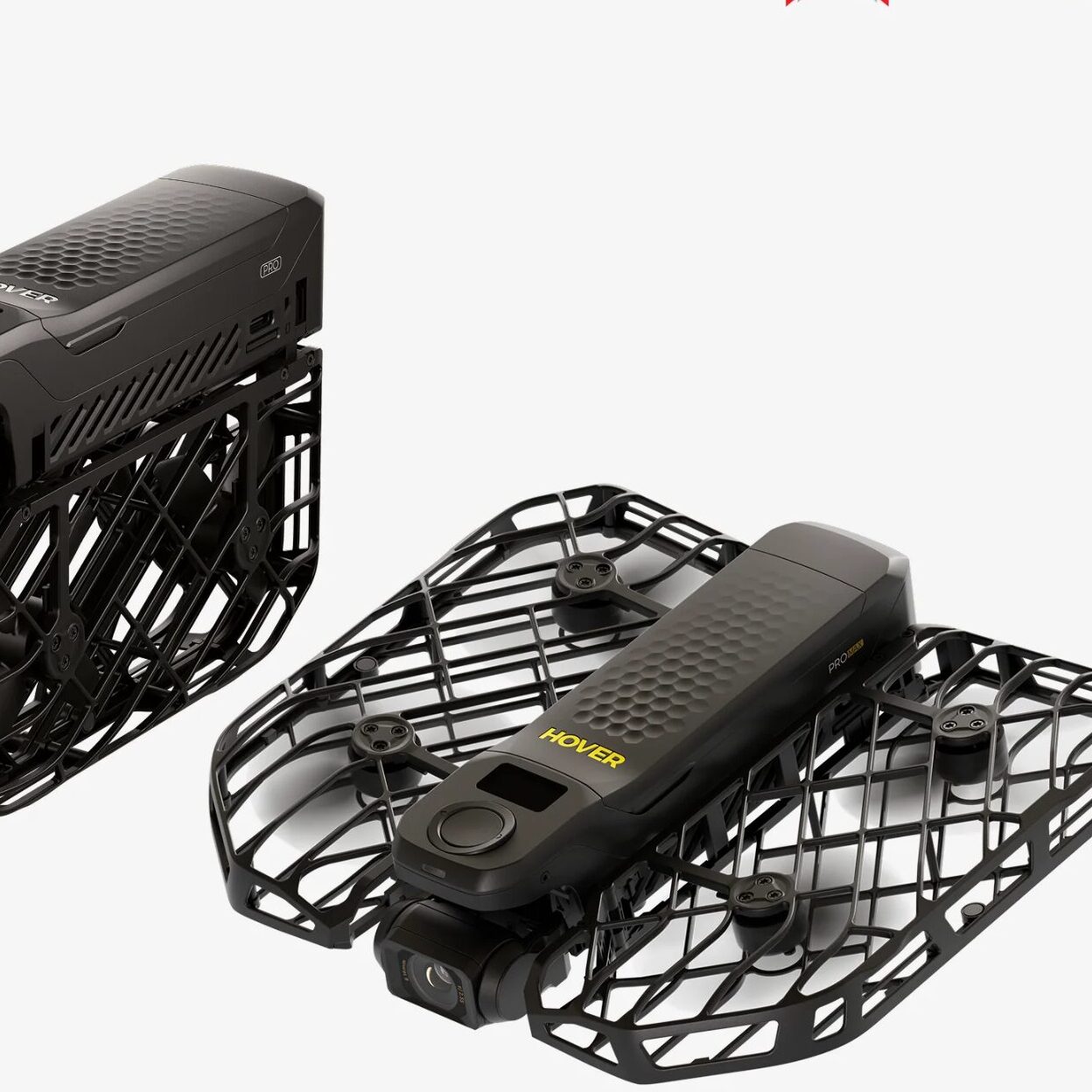
It supports 8K video and 4K slow-mo, though it is held back by a shorter 16-minute battery life and a limited 1km range. If your goal is “set it and forget it” tracking during extreme sports, this is your best bet.
The Cinema Powerhouse: DJI Air 3S
For the professional who isn’t quite ready to drop $3,000 on a Mavic 3 Pro, the DJI Air 3S is the “Goldilocks” drone. It features a unique dual-camera setup: a 1-inch wide-angle sensor and a 1/1.3-inch telephoto lens.
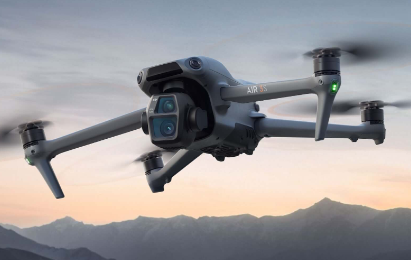
The inclusion of a forward-facing LiDAR sensor changes the game for nighttime flight. It can “see” obstacles in total darkness that would cause other drones to crash. With 45 minutes of flight time and a 12.5-mile range, it’s the ultimate tool for serious documentary filmmakers who need to travel light but shoot heavy.
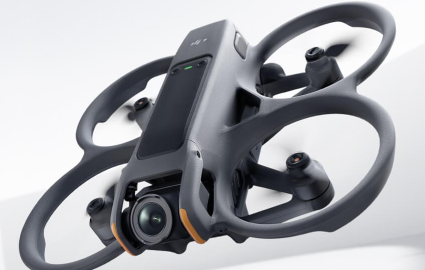
The Adrenaline Junkie: DJI Avata 2
Finally, for those who want to experience the “cockpit” of a drone, the Avata 2 is the king of First-Person View (FPV). Reaching speeds of 60 mph, it is designed to be flown with Goggles and a motion controller. It is built to take a beating, with a “turtle mode” that allows it to flip itself over and take off again after a crash. It’s less about photography and more about the visceral, heart-pounding experience of flight.
Final Verdict: Which One Should You Buy?
The “best” drone of 2026 depends entirely on your friction point.
- For the everyday creator: Get the Mini 4 Pro. It’s the most balanced device ever made.
- For the budget traveler: The Neo 2 is the ultimate $250 companion.
- For the pro filmmaker: The Air 3S offers the best sensor-to-weight ratio.
As we move further into 2026, the era of “crashing and burning” is effectively over. With LiDAR, omnidirectional sensors, and AI-driven tracking, the sky is now open to everyone. Just remember to check your local FAA regulations before you take off because while the tech is smarter, the rules are stricter than ever.
