
The desktop hardware landscape is currently facing a harsh reality check, arriving right as software shifts like how DaVinci Resolve 21 has turned into Adobe’s worst nightmare by letting users edit photos for free, proving that sustainable, accessible tech evolution relies on meeting users where they actually are rather than forcing them into expensive ecosystem overhauls. For PC enthusiasts looking to refresh their gaming rigs, “accessible” is the last word that comes to mind. Skyrocketing price crunches on storage chips and RAM modules have sent component costs through the roof, making a total system rebuild look like a financial nightmare.
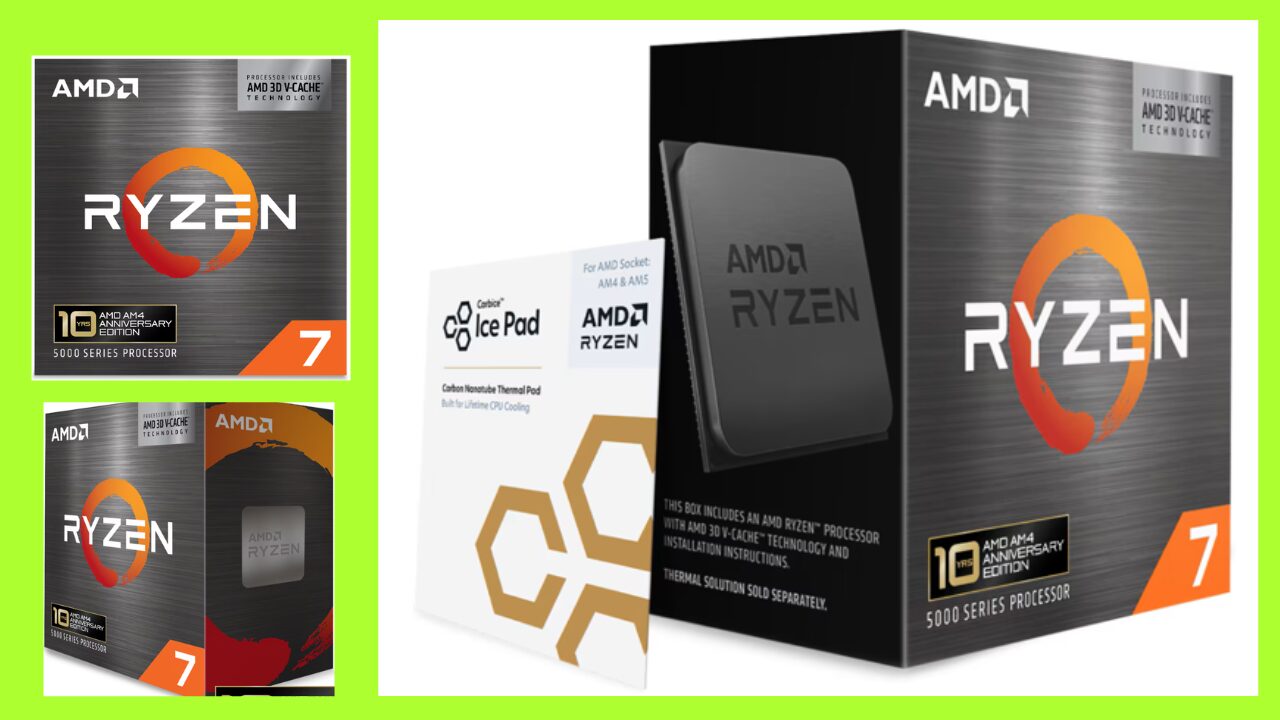
Compounding the issue is the industry-wide transition to DDR5 memory in cutting-edge Intel and AMD platforms, which forces consumers to completely ditch their perfectly functional DDR4 memory kits. Recognizing this massive financial barrier, AMD is pulling off a highly unconventional, consumer-first move. Instead of forcing a costly upgrade path, the company is resurrecting a legendary, four-year-old chip: the AMD Ryzen 7 5800X3D 10th Anniversary Edition.
The Hidden Costs of Modern PC Upgrades
The Ryzen 5800X3D re-release is a lifeline for budget gamers. Building a high-end gaming setup has historically been a modular affair: you swap a graphics card here, replace a processor there, and keep rolling. However, the move to current-generation architectures has broken that cycle. To adopt AMD’s latest AM5 or Intel’s equivalent sockets, budget builders aren’t just paying for a processor. They are effectively taxed with buying a completely new motherboard and shelling out premium cash for expensive DDR5 RAM kits.
This mandatory platform migration has left millions of gamers marooned on AMD’s legacy, DDR4-backed AM4 platform. While the secondary market for used hardware usually acts as a relief valve, the discontinuation of high-performance AM4 chips caused aftermarket prices to surge dramatically, with online scalpers demanding as much as $800 for original, out-of-circulation hardware. By stepping into the fray with an official re-release, AMD is single-handedly stabilizing the budget market and allowing gamers to max out their existing motherboards without breaking the bank.
The 3D V-Cache Gimmick That Redefined Gaming
For a four-year-old architecture to remain remarkably competitive against modern, next-generation silicon, it requires a serious hardware edge. For this processor, that edge is written directly into its name: 3D V-Cache.
- The Stacked Cache Architecture: The “X3D” moniker designates that AMD physically stacked an additional 64MB of L3 cache directly on top of the main CPU die. This structural adjustment brings the chip’s total L3 memory payload to a massive 96MB.
- Defeating Memory Latency: Traditional processors frequently experience performance bottlenecks while waiting for data to travel back and forth from the system’s main RAM modules.
- The Gaming Advantage: Because modern video game engines rely heavily on rapid, low-latency access to frame data, workloads that benefit from an expanded cache pool see astronomical performance uplifts on the 5800X3D compared to standard, unstacked processors like the vanilla Ryzen 7 5800X.
Real-world performance testing proves this old king can still hold its own, delivering frame rates that trade blows with brand-new options, proving that massive cache memory trumps raw clock speeds in gaming tasks.
A Decade of Sockets: Celebrating the Longevity of AM4
The “10th Anniversary” badge printed on the processor’s new box isn’t celebrating the lifespan of the chip itself, but rather the historic persistence of the underlying AM4 processor socket. Originally launched all the way back in September 2016, the AM4 socket has turned into arguably the longest-lived consumer computing platform in technology history, surviving multiple architectural shifts from the pre-Ryzen era all the way through Zen 3.
While AMD officially introduced the successor AM5 platform nearly four years ago, they intentionally kept the AM4 ecosystem alive via remixed product lines specifically to address the budget-conscious consumer base. This relentless support has turned into an incredible asset for users who built systems years ago around affordable parts. Instead of buying a new machine, a user can simply drop this anniversary edition CPU straight into a decade-old motherboard layout and instantly experience modern computing speeds.
The Final Verdict: Is It Worth the $349 Stopgap?
Arriving on retail shelves on June 25 with an official price tag of $349, the Ryzen 7 5800X3D 10th Anniversary Edition represents a brilliant, pro-consumer move in an era defined by high hardware entry costs. It isn’t a brand-new architecture, nor does it feature altered internal technical specifications. Instead, it is a finely tuned, aggressively priced tool packaged with advanced cooling accessories like the Carbice Ice Pad thermal sheet to give older machines a massive second wind.
If you are a builder assembling a completely fresh PC from scratch, investing heavily in an older platform might not make long-term financial sense. But if you are one of the millions of desktop owners currently running an older Ryzen setup, this anniversary edition chip offers a perfect, low-cost way to dodge the components tax, stretch your current DDR4 memory for a few more years, and skip the upgrade headaches entirely.
