
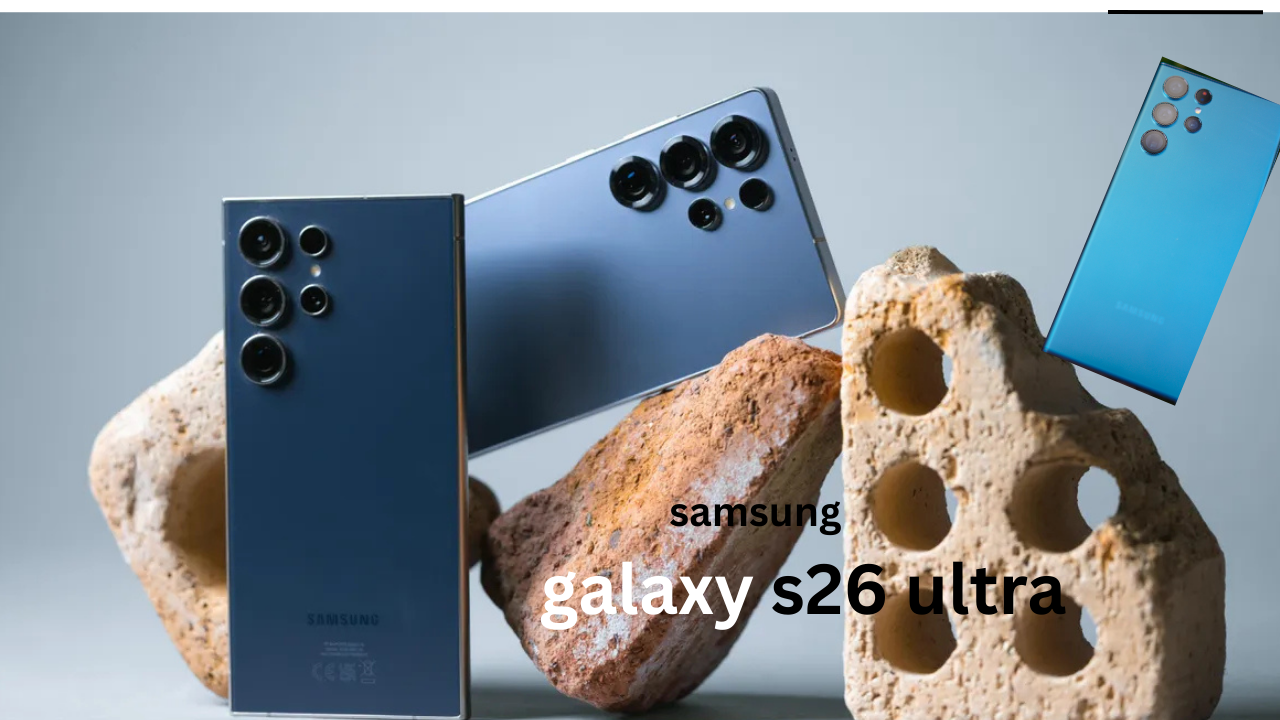
For years, Samsung fans have mocked Apple for “playing it safe.” We laughed when they stuck with aluminum while Samsung moved to titanium. We rolled our eyes when they prioritized “thinness” over raw battery power. But with the imminent launch of the Galaxy S26, the tables haven’t just turned; they’ve been flipped.
In a move that feels like a white flag of surrender, Samsung is reportedly abandoning its most ambitious innovations to mimic the exact strategies that once made Apple a target for Samsung’s own marketing team.
1. The Death of the “Edge” (And the Return to Aluminum)
The most glaring “defeat” is the sudden cancellation of the Galaxy S26 Edge. Samsung spent millions trying to make the ultra-slim 5.5mm phone a thing, hoping to beat the rumored iPhone Air to the punch. Instead, the S25 Edge flopped so hard (selling barely 1.3 million units) that Samsung has reportedly pulled the plug on the entire “slim” category.
Even more shocking? The S26 Ultra is rumored to be ditching titanium and retreating to Armor Aluminum. Apple made the switch back to high-grade aluminum for better thermal conductivity and weight reduction in the iPhone 17 series, and now Samsung is following suit. The “Titanium” era at Samsung appears to have been a two-year fad that they are now quietly erasing.
2. The “Camera Assistant” Paywall
Apple has long been criticized for “gatekeeping” features, hiding professional settings behind menus, or reserving them for Pro models. Samsung is now adopting this “controversial” play.
- The 24MP Default: Just like Apple did with the iPhone 15, Samsung is finally moving its standard photo resolution to 24MP for better detail.
- The Catch: Leaks suggest this won’t be a simple setting. You may have to download and “unlock” it via the Camera Assistant app, adding a layer of friction to a feature that should be native. It’s a classic Apple move: making the user work for the hardware they already paid for.
3. The “Qi2” Magnetic Lock-In
For years, Samsung owners bragged about “PowerShare,” the ability to charge a friend’s phone or earbuds on the back of their device. But to compete with Apple’s MagSafe ecosystem, Samsung is reportedly prioritizing Qi2 magnetic alignment.
The Controversy: Internal magnets often interfere with reverse wireless charging. Reports suggest Samsung may be sacrificing or severely limiting PowerShare just to ensure their phones “snap” onto magnetic chargers exactly like an iPhone.
The Only “Win” Left: The Privacy Shield
If there is one area where Samsung is still swinging, it’s the Privacy Display. Powered by “Flex Magic Pixel” technology, this feature narrows the viewing angle so snoopers can’t see your screen. Ironically, this is the one feature Apple is already rumored to be “copying” for future MacBooks, but for once, Samsung is actually getting there first.
- Frame Material: Samsung is scrapping titanium in favor of aluminum to mirror Apple’s focus on thermal management.
- Design Philosophy: The cancellation of the “Edge” model signals an admission that Apple’s focus on weight and utility over extreme thinness was right all along.
- Photo Resolution: Samsung is adopting a 24MP standard but requiring an app-based “unlock,” a move toward Apple-style software gatekeeping.
- Magnetic Ecosystem: By adopting Qi2, Samsung is prioritizing the MagSafe experience even if it threatens their signature PowerShare feature.
Is the Galaxy Still Bright?
Samsung’s move toward “consistency” and “Apple-like” refinement might be good for the average user, but for the die-hard fans who loved Samsung for its wild, experimental risks, the S26 feels like the end of an era.
