As the mobile industry has evolved, we’ve seen giants like BlackBerry and LG vanish while others like Xiaomi and OnePlus rose to take their place. Over 14 years of testing, it isn’t always the “perfect” phones that stick in the memory; it’s the ones that dared to be different, even if they failed spectacularly.
The “Niche” Productivity Seekers
Some phones tried to reinvent how we work, often resulting in awkward ergonomics:
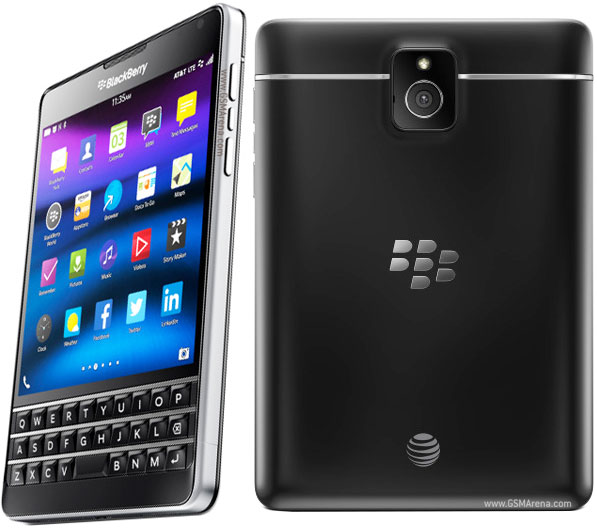
- BlackBerry Passport (2014): A completely square phone designed for viewing spreadsheets and Word docs. While the 1:1 aspect ratio was great for Instagram, the physical keyboard was too wide for comfortable typing.
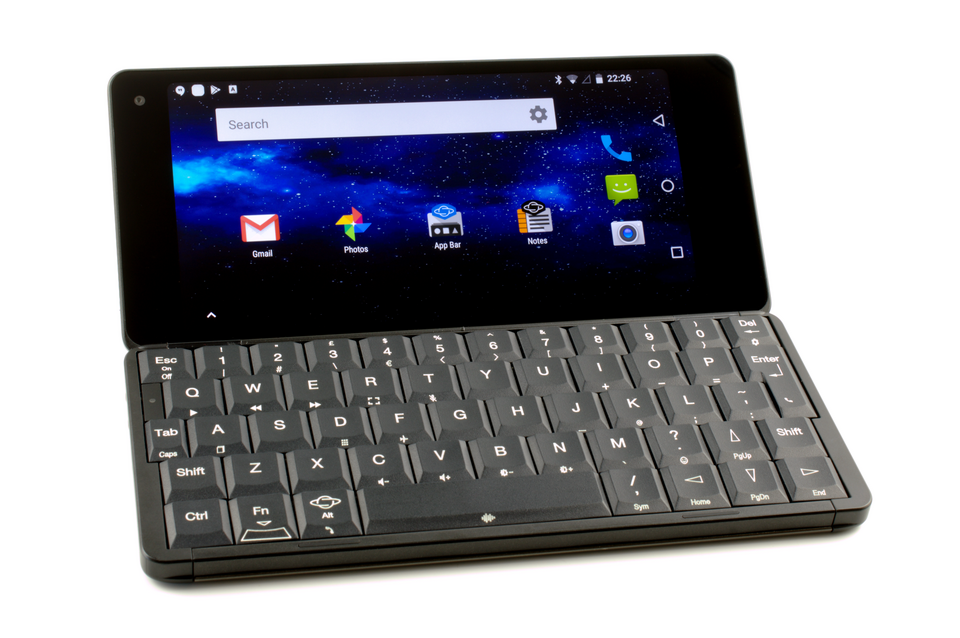
- Planet Computers Gemini PDA (2018): A clamshell device that was half-phone, half-laptop. It featured a full QWERTY keyboard but was so bulky it was nearly impossible to fit in a pocket.
Screens in Strange Places
Manufacturers experimented with dual displays to solve problems we didn’t necessarily have:
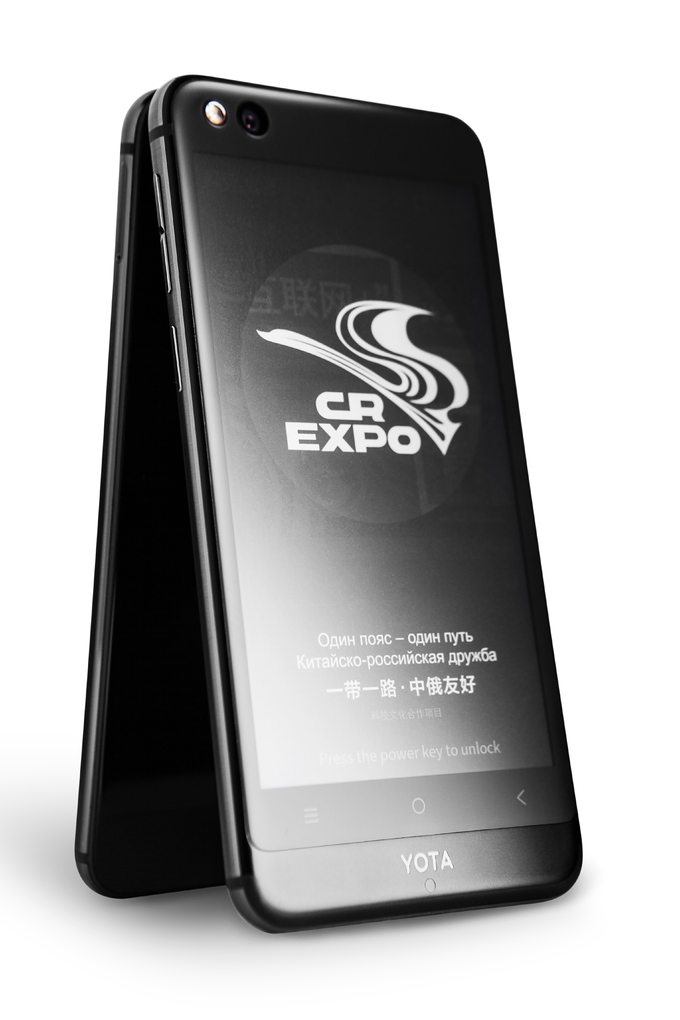
- YotaPhone 2 (2014): This Russian-made device featured a standard Android screen on the front and an E Ink display on the back. It was meant for reading ebooks and saving battery, but clunky software hindered its potential.
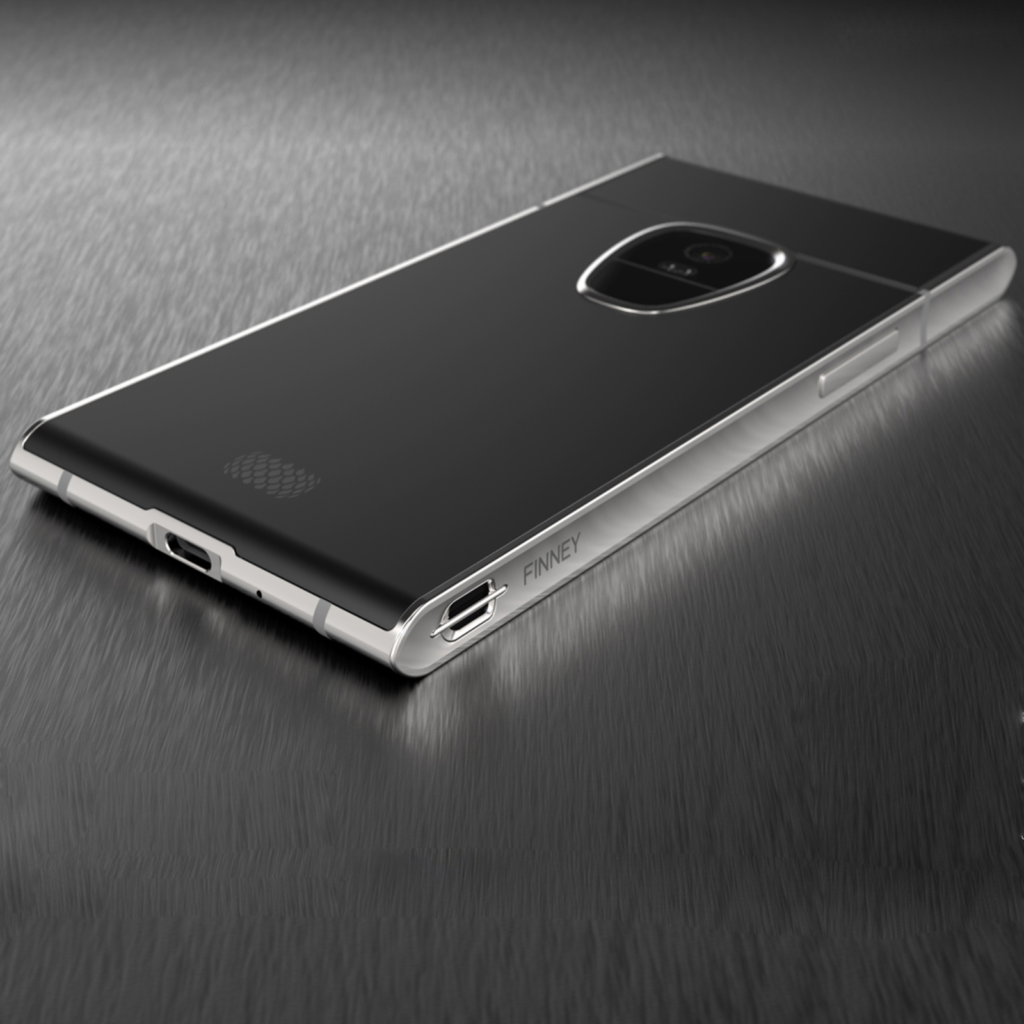
- Sirin Labs Finney U1 (2019): Targeted at “crypto bros,” this phone had a secondary pop-up screen specifically for secure access to a crypto wallet. It was expensive and served a hyper-niche audience.
The “Social” and “Modular” Experiments
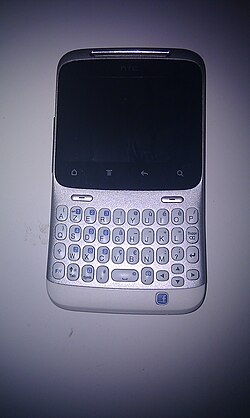
- HTC ChaCha (2011): Released when Facebook was at its peak, this phone featured a dedicated physical Facebook button. Tapping it launched the app instantly, a feature that never quite caught on as a hardware requirement.
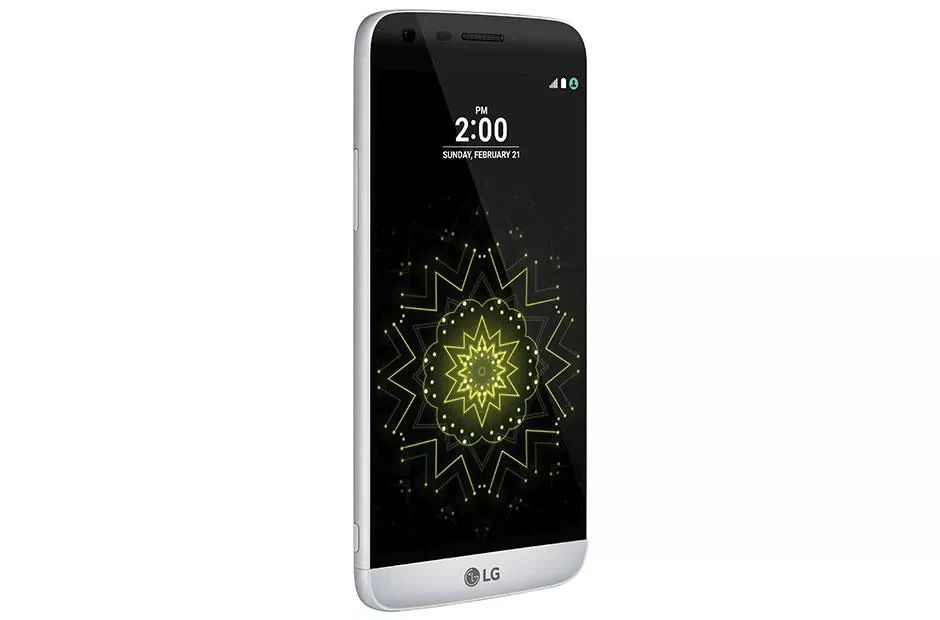
- LG G5 (2016): A “modular” phone where the bottom “chin” snapped off to add accessories like a camera grip. Unfortunately, users had to remove the battery and restart the phone just to switch modules.
Pushing Design Boundaries
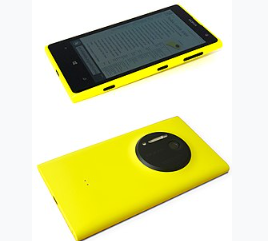
- Nokia Lumia 1020 (2013): A Windows Phone pioneer that focused on photography. Its massive 41-megapixel sensor and Carl Zeiss lens paved the way for the high-end camera phones we use today in 2026.
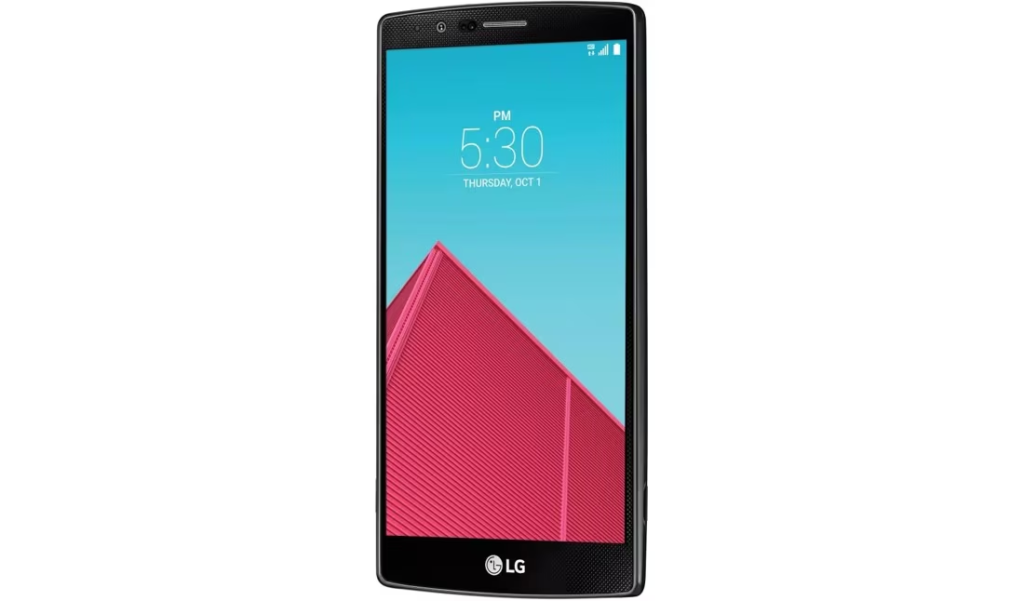
- LG G4 (2015): This phone was famously wrapped in real leather with visible stitching. It also featured a “banana” curve meant to make video viewing more immersive, though the effect was minimal on such a small screen.
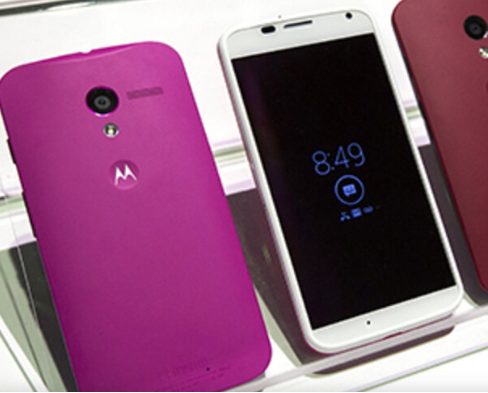
- Motorola Moto X (2013): Through “Moto Maker,” users could customize their phones with wood or leather backs and personalized engravings before they were shipped.
The Original Game-Changers
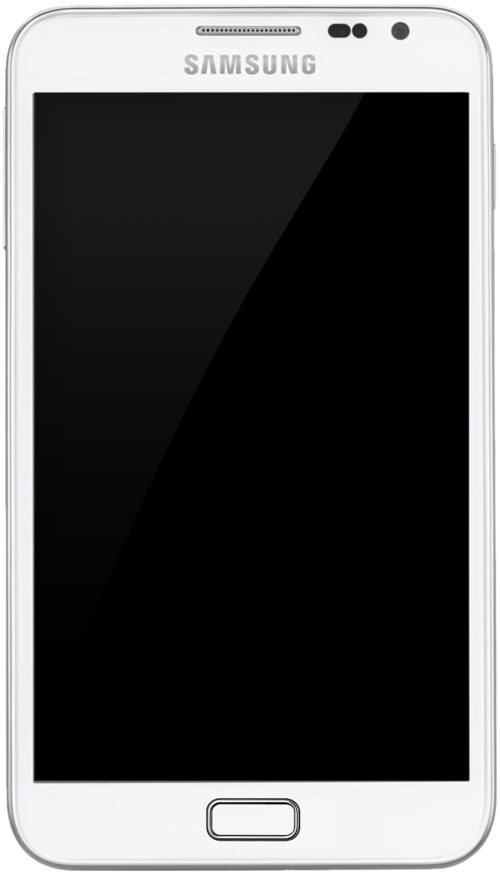
- Samsung Galaxy Note (2011): Originally mocked for its “massive” 5.3-inch screen, it launched the “phablet” era and popularized the stylus.
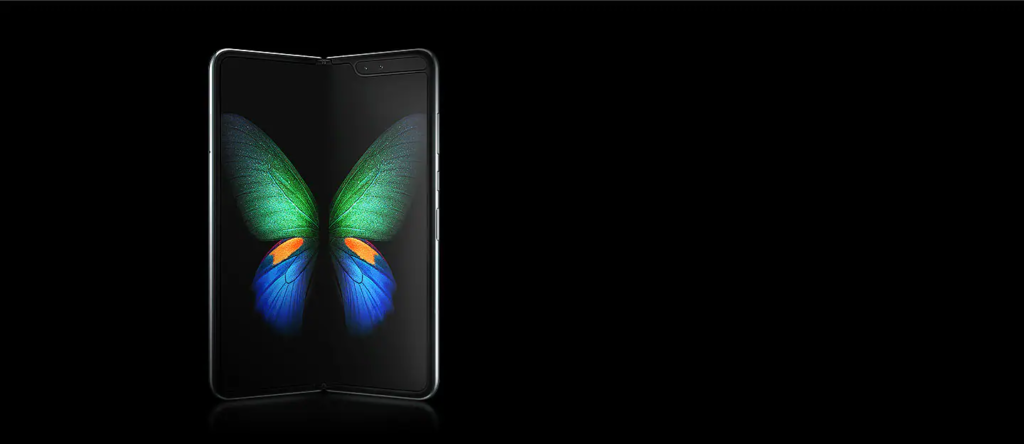
- Samsung Galaxy Fold (2019): The first of the foldable revolution. While its original outer screen was tall, narrow, and nearly unusable, it set the stage for the refined Galaxy Z Fold 7 we see today.